


Honda Civic vs Civic Hybrid: How Much Could You Save on Gas?
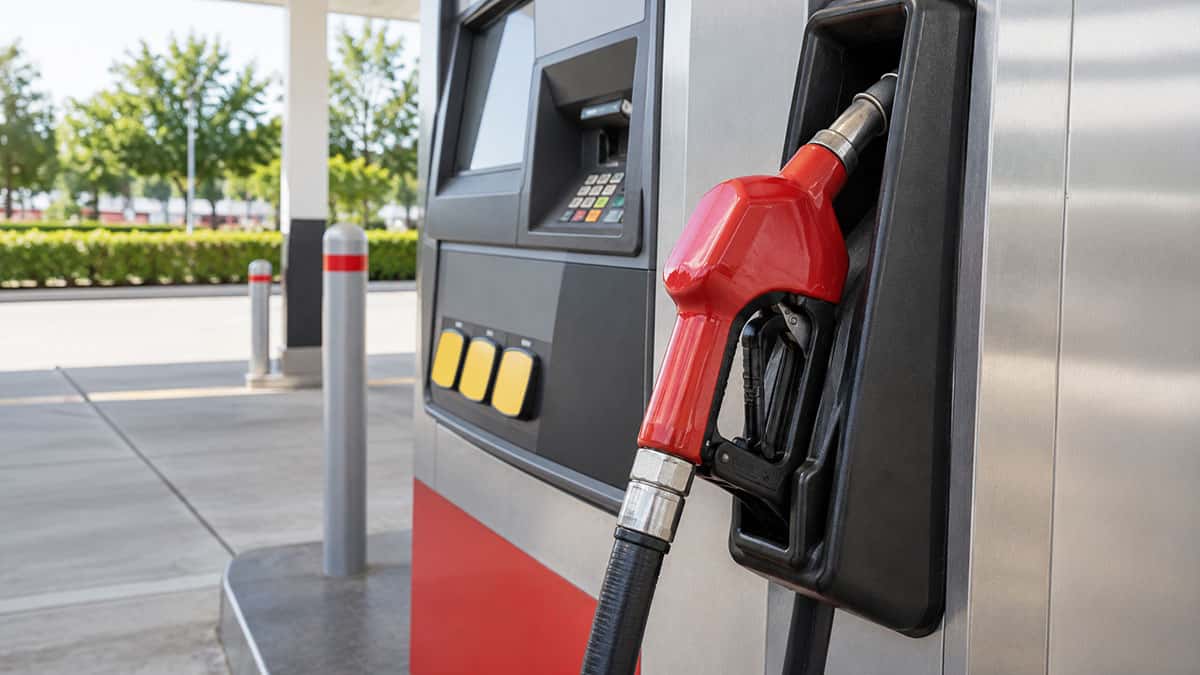
Quick Answer: The 2027 Civic Sport Hybrid could save about $702 a year on gas compared with the gas-powered Civic Sport sedan, assuming 1,000 miles a month at $6.50 per gallon. That’s because it gets an EPA-estimated 49 MPG combined versus 34 MPG, and at that mileage, the savings could cover its $2,700 higher price in about four years.
Those savings can add up, especially if you’re commuting across San Diego every day. Still, the Honda Civic vs Civic Hybrid decision isn’t only about fuel, since the hybrid costs more upfront and its value depends on how much you drive, the traffic you face, and how long you plan to keep your car.
How Much Money Could You Save on Gas With a Civic Hybrid?
Based on each car’s combined EPA rating and gas at $6.50 per gallon, these are the estimated yearly fuel costs for the 2027 Civic Sport and Sport Hybrid sedans.
- 500 miles a month. About $1,147 for the Sport and $796 for the Sport Hybrid, a savings of $351
- 1,000 miles a month. About $2,294 and $1,592, a savings of $702
- 1,500 miles a month. About $3,441 and $2,388, a savings of $1,053
To get these numbers, we divided each yearly mileage by the car’s combined MPG and multiplied the result by $6.50.
Since gas prices change, it helps to know that every $1 difference per gallon moves your yearly savings by about $108 at 1,000 miles a month. At $5.50 per gallon, for example, you’d save roughly $594 instead of $702.
Honda Civic vs. Civic Hybrid: Which Gets Better Gas Mileage?
The 2027 Honda Civic Sport Hybrid gets better fuel economy than the gasoline Civic Sport in both city and highway driving. The biggest difference shows up in city MPG, where the hybrid’s electric motors help reduce how much gasoline the engine uses.
2027 Honda Civic Sport Sedan
The gasoline Civic Sport gets an EPA-estimated 31 MPG city, 39 MPG highway, and 34 MPG combined. It uses a 2.0-liter engine producing 150 horsepower, paired with a continuously variable transmission (CVT).
2027 Honda Civic Sport Hybrid Sedan
The Sport Hybrid gets an EPA-estimated 50 MPG city, 47 MPG highway, and 49 MPG combined. Its two-motor hybrid system delivers 200 total system horsepower while using considerably less gasoline.
That works out to a 19 MPG advantage in the city but only 8 MPG on the highway, so your savings will depend a lot on the kind of driving you do most.
Is the Civic Hybrid Better for San Diego Commutes?
The hybrid’s advantage grows in stop-and-go traffic, where regenerative braking recovers energy, and the electric motors handle more of the work at low speeds. That’s why traffic matters more than the freeway itself for San Diego commuters.
Crawling along I-5 near downtown, I-805 through Kearny Mesa, or I-15 at rush hour puts you in exactly the conditions where the hybrid saves the most. If your commute mostly moves at steady freeway speeds, the gap gets smaller.
A 25-mile commute each way over about 20 workdays a month adds up to roughly 1,000 miles. At that distance, the hybrid could save about $702 a year at our assumed gas price of $6.50 per gallon, although actual savings will vary with driving conditions.

How Long Does It Take for the Civic Hybrid to Pay for Itself?
The 2027 Civic Sport sedan starts at $26,995 MSRP, compared with $29,695 for the Sport Hybrid. That’s a $2,700 difference, which the hybrid could recover through fuel savings over time.
At $6.50 per gallon, this is roughly how long it would take for the fuel savings to cover the price difference.
- 500 miles a month. About 7.7 years
- 1,000 miles a month. About 3.8 years
- 1,500 miles a month. About 2.6 years
There’s another option worth comparing. The 2027 Civic Sport-L starts at $28,495 and gets the same 34 MPG combined as the regular Sport. Since the Sport Hybrid costs just $1,200 more, its gas savings could cover that difference in about 1.7 years at 1,000 miles per month.
All MSRPs exclude Honda’s $1,295 destination charge, and these estimates don’t include financing, insurance, maintenance, or resale value.
Should You Buy the Regular Civic or the Civic Hybrid?
In the Honda Civic vs Civic Hybrid choice, the right pick depends on how your yearly mileage and budget fit together, since each model pays off at a different point in ownership.
The Civic Sport makes sense if you drive fewer miles, have a short commute, or want to keep your upfront cost lower. If you plan to replace your car within a few years, you may not drive enough to make up for the hybrid’s higher price.
The Civic Sport Hybrid makes sense if you regularly commute across San Diego, spend time in traffic, or plan to keep your Civic for several years. In that case, the fuel savings add up faster, and the extra horsepower is a nice bonus.
At Pacific Honda on Convoy Street, you can explore our Honda Civic inventory, compare available gasoline and hybrid models, and use our payment calculator to see how different purchase prices could fit your budget.
If you’re still deciding, schedule a test drive to compare the two driving experiences. Comparing actual vehicle prices between the Honda Civic vs Civic Hybrid, along with your estimated fuel savings, can help you make a more informed choice.
FAQs About the Honda Civic vs. Civic Hybrid
Does the Honda Civic Hybrid need to be plugged in?
No. The Civic Hybrid is a conventional hybrid that uses its gasoline engine and regenerative braking to help recharge its battery. You fill it with gasoline like a regular Civic, without needing a home charger or public charging station.
Is the Civic Hybrid more expensive to maintain?
Not usually. Routine maintenance is similar to the gas Civic, and regenerative braking can reduce brake wear over time. The high-voltage battery is also covered by Honda’s hybrid warranty, which helps limit unexpected costs in the early years of ownership.
How long is the Honda Civic Hybrid battery warranty in California?
Honda lists limited high-voltage hybrid battery warranty coverage of 10 years or 150,000 miles in California, whichever comes first. The exact coverage and exclusions depend on the vehicle’s applicable warranty terms, so confirm the documentation for the 2027 Civic Hybrid before purchasing.
Is the Civic Hybrid hatchback as efficient as the sedan?
The 2027 Civic Sport Hybrid hatchback has an EPA rating of 50 city, 44 highway, and 47 combined MPG, compared with 50 city, 47 highway, and 49 combined for the sedan. The hatchback also starts at $30,895 MSRP, which is $1,200 more than the Sport Hybrid sedan, making the sedan the more economical option for this fuel-cost comparison.
Does the Honda Civic Hybrid Qualify for a Tax Credit?
No. The conventional Civic Hybrid does not qualify for a federal clean vehicle tax credit. Those federal credits ended for vehicles acquired after September 30, 2025, and California’s zero-emission vehicle incentives generally target qualifying electric and plug-in vehicles rather than standard hybrids.
0 comment(s) so far on Honda Civic vs Civic Hybrid: How Much Could You Save on Gas?