


California Tire Laws: What Drivers Need to Know
Legal Disclaimer: This article is for general informational purposes only and does not constitute legal or regulatory advice. California tire laws, efficiency standards, and implementation requirements are subject to change. Consult the California Energy Commission for the latest regulations and official guidance.

Quick Answer: The new California tire laws introduce efficiency standards for replacement tires sold for passenger vehicles and light-duty trucks. The first requirements begin January 1, 2029, with stricter standards taking effect January 1, 2033. Drivers do not need to replace tires that are already installed because of the new rules.
California approved new replacement tire efficiency requirements on August 17th, 2026, but the changes will not affect drivers right away.
The rules aim to reduce rolling resistance, so replacement tires require less energy to move a vehicle. That can help reduce fuel use in gasoline vehicles and energy consumption in EVs. For most drivers, the biggest change will come the next time they shop for replacement tires.
What Are the New California Tire Laws?
The new California tire laws set minimum energy-efficiency standards for replacement tires sold in the state.
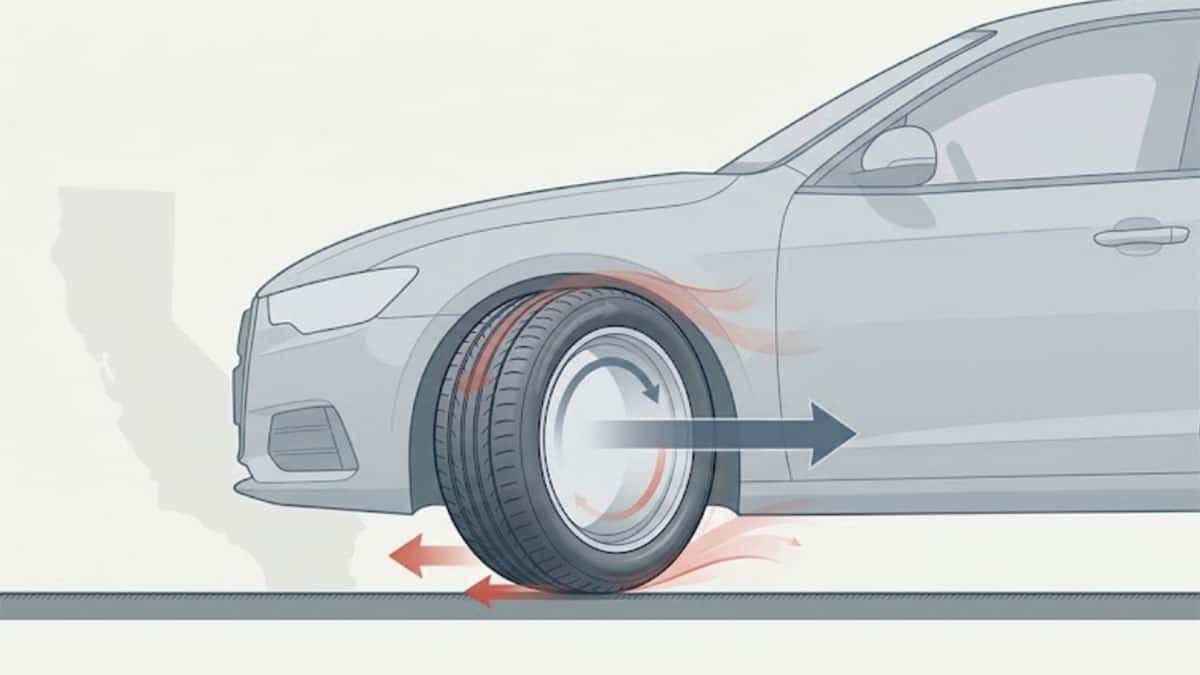
The regulations focus on rolling resistance, which is the energy a vehicle uses to keep its tires moving. A tire with lower rolling resistance generally requires less energy to travel the same distance.
California developed the standards after finding that replacement tires can be less efficient than the tires originally installed on new vehicles. The goal is to improve replacement tire efficiency without requiring drivers to change the tires they already have.
When Do the New California Tire Laws Take Effect?
The changes won’t happen immediately. The California tire regulations will be introduced in two phases:
- January 1, 2029: Phase 1 efficiency requirements begin.
- January 1, 2033: Phase 2 introduces stricter efficiency requirements.
The requirements are based on when a replacement tire was manufactured, not when it is sold. Tires manufactured before the applicable phase-in date may continue to be sold even if they do not meet the newer efficiency standards.
The new rules do not require California drivers to replace tires already installed on their vehicles, regardless of when the standards take effect. If the tires currently on your Honda are safe and have usable tread life, the regulations alone are not a reason to replace them early.
Which Replacement Tires Are Covered?
The California replacement tire laws primarily apply to newly manufactured replacement tires for passenger vehicles and light-duty trucks.
Not every tire is treated the same way. California’s regulations include exemptions and separate requirements for certain specialized tire categories, including:
- Competition tires: Certain tires designed for racing or competitive use are exempt.
- Off-road tires: Some specialized off-road tires are excluded from the minimum efficiency requirements.
- Winter tires: Tires bearing the Three-Peak Mountain Snowflake designation are exempt from the minimum efficiency standard.
- Ultra-high-performance tires: These are subject to separate provisions that account for their performance characteristics.
- Long-life and limited-production tires: These categories also have specific provisions under the regulations.
Before the first phase begins, the California Energy Commission plans to provide compliance information that can help retailers and consumers identify tires that meet the new requirements.
Will California Tire Laws Affect Safety or Performance?
Efficiency is only one part of choosing a tire.
Lower rolling resistance can reduce the energy a vehicle needs to move, but drivers still need to consider traction, braking, handling, tread life, comfort, and their normal driving conditions.
The California Energy Commission says the new efficiency standards can be achieved without reducing expected tire safety or lifespan.
The regulations also establish minimum traction standards intended to help maintain tire safety alongside improved energy efficiency.
Will Replacement Tires Become More Expensive?
Possibly, although the state expects the added manufacturing cost to be relatively small.
The California Energy Commission estimates that Phase 1 could add about $6 to the cost of a set of four tires. Under the stricter Phase 2 requirements, the estimated additional cost rises to approximately $26 per set.
Those figures are projections, not guaranteed retail price increases. Actual tire prices will continue to depend on factors such as brand, tire size, vehicle type, performance category, and market conditions.
What Should Honda Drivers Know When It’s Time for New Tires?
The new California tire laws do not change one of the most important parts of buying tires: choosing the right ones for your vehicle.
When it is time to replace your tires, start with the specifications recommended for your Honda. You can typically find tire size and related information on the label near the driver’s door and in the owner’s manual.
You should also consider factors such as:
- Tread condition and expected tread life.
- Wet and dry traction.
- Ride comfort and road noise.
- Fuel efficiency or EV range.
- Climate and typical driving conditions.
- Correct tire size and load rating.
The best choice depends on your Honda, how you drive, and the conditions you encounter most often.
How Can Pacific Honda Help With Your Tires?
The new rules matter most to Honda drivers in San Diego when it’s time to replace their tires.
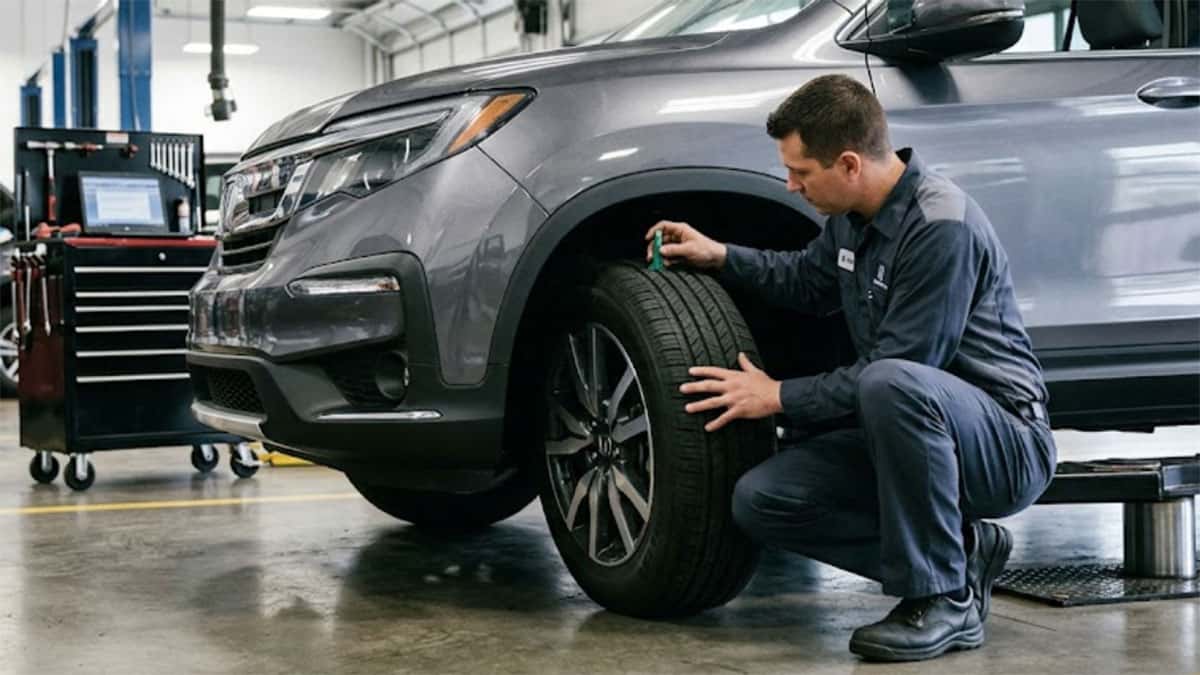
Pacific Honda offers tire inspections, rotations, balancing, wheel alignment, and replacement tire installation. During an inspection, technicians can check tread depth, tire pressure, physical damage, and signs of uneven wear.
If replacement is needed, Pacific Honda also offers Honda-approved tires and can mount and balance them for your vehicle. Schedule your service when your tires are due for inspection or replacement.
FAQs About California Tire Laws
Do I need new tires because of the California tire laws?
No. The new California tire laws do not require you to replace tires that are already installed simply because the regulations were approved. You can keep using your current tires until they normally need replacement, as long as they remain safe and legal to use.
When do California tire laws take effect?
The first phase begins January 1, 2029. A stricter second phase begins January 1, 2033.
Will my current tires become illegal in California?
No. The regulations primarily affect newly manufactured replacement tires sold after the applicable standards take effect. They do not automatically make tires already installed on your vehicle illegal.
Can tire shops sell older tires after 2029?
Yes. Tires manufactured before January 1, 2029, may continue to be sold even if they do not meet the Phase 1 efficiency standard. The same principle applies to Phase 2, which begins January 1, 2033. The regulations use manufacturing dates, not sales dates, to determine which efficiency standards apply.
Information Current as of October 2026: California’s replacement tire efficiency standards are scheduled to take effect in phases beginning in 2029. Implementation details and requirements may change. For the latest information, consult the California Energy Commission.
0 comment(s) so far on California Tire Laws: What Drivers Need to Know