


California CARS Act (SB 766): What San Diego Car Buyers Need to Know
Legal Disclaimer: This article is for general informational purposes only and is not a substitute for legal advice. Laws, regulations, and official guidance may change or be interpreted differently over time. Consult the California Department of Motor Vehicles (DMV), the California Attorney General, or a licensed attorney for guidance on your specific situation.
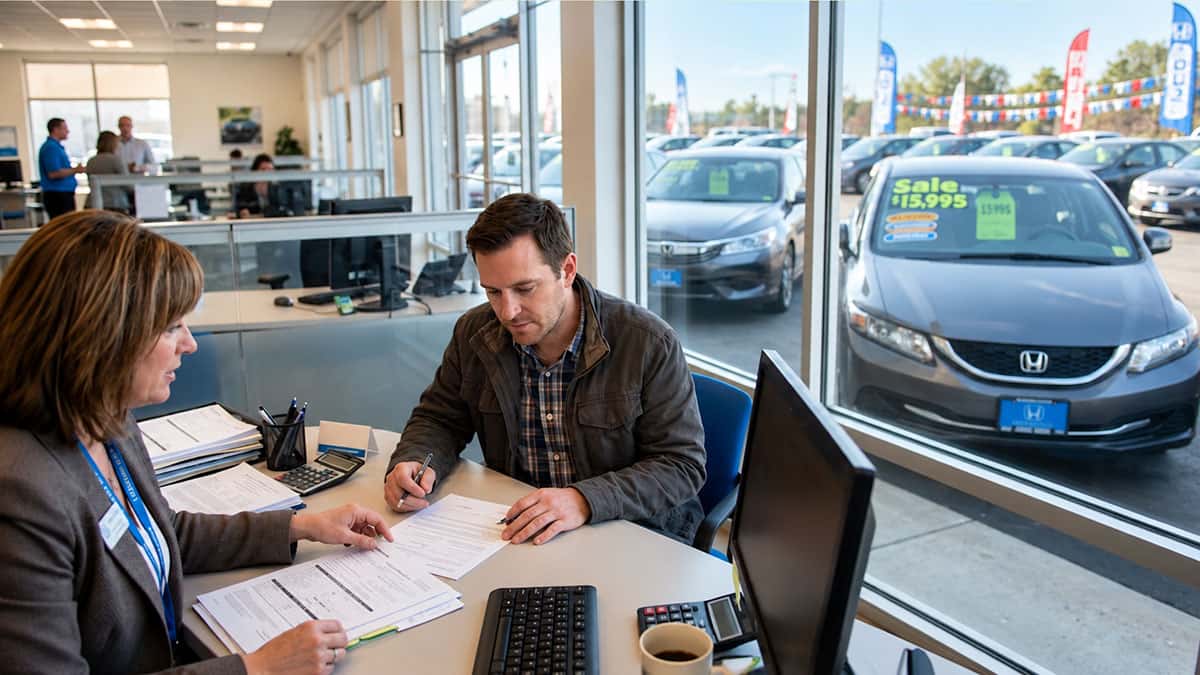
Quick Answer: The California CARS Act (Senate Bill 766) became operative on October 1, 2026. It requires California dealers to show a vehicle’s total price up front, state in writing that add-ons are optional, and avoid charging for add-ons that give buyers no benefit. It also gives buyers of qualifying used vehicles priced at $50,000 or less a 3-day right to cancel.
If you are shopping for a new or used vehicle in San Diego, the California CARS Act changes what information a dealership gives you at the time of purchase.
The law focuses on clearer pricing, honest financing conversations, and fewer surprises in the finance office. For used-car shoppers, it also adds a short window to change your mind after signing, something California law didn’t automatically provide before.
What Is the California CARS Act?
The California Combating Auto Retail Scams (CARS) Act is a state consumer protection law that sets new rules for how licensed dealers advertise, price, finance, and sell vehicles to retail customers.
State Sen. Ben Allen introduced the bill, and Governor Gavin Newsom signed it on October 6, 2025. The law is now part of the California Civil Code.
The CARS Act is modeled on a federal rule of the same name. The Federal Trade Commission finalized that rule in December 2023, but a federal appeals court vacated it in January 2025 before it took effect. California then wrote many of the same protections into state law and added a used-vehicle cancellation right that the federal rule did not include.
According to the California DMV, the law applies to licensed California dealers selling or leasing light-duty vehicles with a gross vehicle weight rating (GVWR) under 10,000 pounds to retail customers. Wholesale, fleet, and auction sales are exempt.
When Did the California CARS Act Take Effect?
The California CARS Act became operative on October 1, 2026. Lawmakers delayed the start date by nearly a year after signing so dealers had time to update their advertising, forms, sales processes, and staff training.
In general, the new rules apply to vehicle sales and leases from October 1, 2026 forward. If you bought or leased a vehicle before then, the rules in place at the time govern your purchase.
What Does the California CARS Act Require From Dealers?
The CARS Act touches nearly every stage of a vehicle purchase, from the online listing to the finance office. These are the changes car buyers are most likely to notice.

Total Price Up Front
Dealers must clearly disclose a vehicle’s total price in any advertisement for a specific vehicle and in their first written communication with you, such as an email, text message, or quote.
The total price includes dealer markups and any items already installed on the vehicle. It does not include taxes and certain government fees, and the dealer document processing charge may also be excluded. In practice, that means the price you see in writing should reflect the vehicle as it sits on the lot.
Rebates and incentives may be advertised separately but cannot be used to reduce the required total price disclosure.
Monthly Payment Disclosures
If a dealer quotes a monthly payment in writing, it must also show the total amount you would pay over the full term at that payment. If a dealer offers a lower monthly payment, it must disclose that lower payments often increase the total amount you pay.
This helps you compare offers by total cost, not just by the monthly number.
Add-Ons Must Be Optional and Beneficial
Add-ons are extra products or services such as service contracts, GAP coverage, and paint protection. Under the CARS Act:
- Optional in writing: Dealers must tell you clearly, both verbally and in writing, that add-ons are optional and that you can buy or lease the vehicle without them.
- No “valueless” add-ons: Dealers cannot charge for add-ons that provide no benefit to you. Examples include oil changes for an electric vehicle and nitrogen tire fills below 95% purity.
- Language access: If you negotiate primarily in Spanish, Chinese, Tagalog, Vietnamese, or Korean, the optional add-on disclosure must also be provided in that language.
No Misrepresentations
The California car dealer total price law makes it illegal for dealers to misrepresent material information about pricing, financing or lease terms, add-ons, trade-in payoffs, or whether a buyer has been pre-approved for financing.
Two Years of Records
Dealers must keep records showing they followed the California CARS Act for two years. These include advertisements, pricing communications, add-on disclosures, and cancellation documents.
How Does the 3-Day Right to Cancel Work for Used Cars?
The California 3-day right to cancel used car law is the biggest change for many used-car shoppers. It replaces California’s previous optional, paid 2-day contract cancellation option with an automatic right for qualifying purchases and leases.
Here is how it works:
- Which vehicles qualify: Used vehicles priced at $50,000 or below, sold or leased at retail by a California dealer. It does not apply to new vehicles, lease buyouts, auction sales, fleet sales, or motorcycles.
- How long you have: The cancellation period begins the day after you sign and generally runs for three days. If the last day falls on a day the dealership is closed, the deadline moves to the next day it is open.
- Mileage limit: The right ends if you drive more than 400 miles.
- Restocking fee: The dealer may charge 1.5% of the sale price, with a $200 minimum and a $600 maximum. If you drive more than 250 miles, the dealer may also charge $1 per mile over 250, up to $150.
- Vehicle condition: The vehicle must be returned in the same condition it was delivered in, except for reasonable wear and tear or mechanical problems and defects that were not caused by the buyer.
- Refund timing: The dealer generally must cancel the contract and issue a refund within 48 hours of the cancellation. However, refunds may take longer when payments require verification, such as checks, or when financial institutions cause processing delays.
- How to cancel: You must personally return the vehicle to the selling dealership during business hours before the deadline, along with any required items received in the transaction.
Dealers must also include a notice on the first page of the contract and provide a separate 3-Day Right to Cancel form. Read it carefully, because it explains exactly how to cancel with that dealership.
What Should Car Buyers Do Under the CARS Act?
The CARS Act in California gives you more information, but you still need to use it. A few simple habits can help:
- Save the online listing and the dealer’s first written quote so you can compare it with your final paperwork.
- Compare offers by total cost, not only monthly payment.
- Ask which add-ons, if any, are already installed and which are optional.
- If you buy a qualifying used vehicle, note your cancellation deadline and mileage before you leave.
- Use the first few days to take the vehicle on your normal routes, check how your family fits inside, and, if you choose, get an independent inspection.
For San Diego drivers, that might mean running your usual I-5 or I-805 commute, checking parking at work or school, and loading the cargo area the way you normally would.
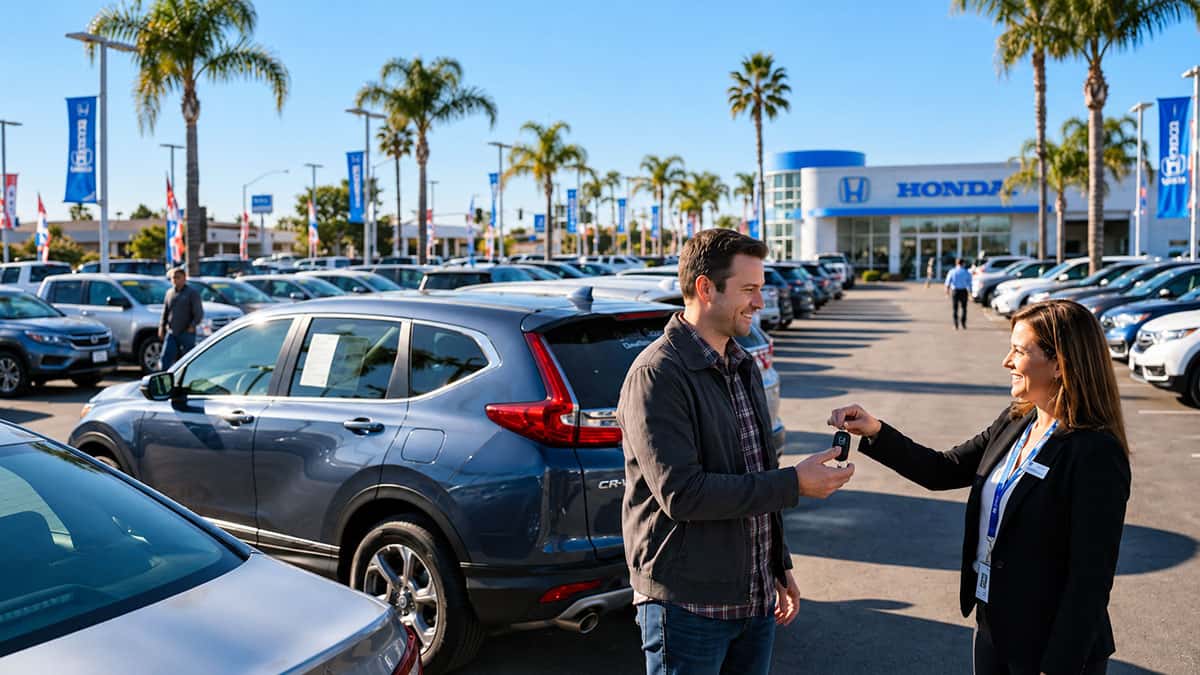
Shopping used vehicles at Pacific Honda on Convoy Street
How Does Pacific Honda Help San Diego Car Buyers?
Whether you are shopping for a new Honda, a Honda Certified Pre-Owned vehicle, or another used vehicle, Pacific Honda can walk you through the total price, available financing options, and any optional products before you sign.
If you want to estimate payments ahead of time, the payment calculator is a useful starting point. You can also review options in our Finance Center or ask our team to explain any part of your paperwork.
Pacific Honda is located at 4761 Convoy Street in San Diego. Contact us with questions or stop by to compare vehicles in person.
Understanding the California CARS Act Before You Buy in San Diego
The California CARS Act doesn’t change what makes a vehicle the right fit for you, but it does change how clearly dealers must present that vehicle’s price, financing, and add-ons.
For most shoppers, the practical takeaway of SB 766 is simple. Expect to see a total price in writing, and ask questions about anything optional. Also, if you buy a qualifying used vehicle, know your 3-day cancellation deadline before you drive home.
FAQs About the California CARS Act
Does the CARS Act let me return a new car?
No. The 3-day right to cancel applies only to qualifying used vehicles priced at $50,000 or less. New vehicles are not included.
Is returning a used car under the CARS Act free?
Not always. The dealer may charge a restocking fee of 1.5% of the sale price, with a $200 minimum and a $600 maximum, plus a mileage charge if you drive more than 250 miles.
Does the total price include taxes?
No. The total price under the CARS Act excludes taxes and certain government fees. It should include dealer markups and items already installed on the vehicle.
Do I have to buy add-ons to get financing?
No. Under the CARS Act, dealers must tell you in writing that add-ons are optional and that you can buy or lease the vehicle without them.
Does the CARS Act apply to private-party sales?
No. The law applies to licensed California dealers. It does not cover vehicles you buy from a private seller.
Where can I report a possible CARS Act violation?
You can file a complaint with the California DMV or the California Attorney General’s office.
Information Current as of October 2026: The California CARS Act became operative on October 1, 2026. Courts and regulators may further interpret its requirements over time. For the latest information, consult the California DMV or the California Attorney General.
0 comment(s) so far on California CARS Act (SB 766): What San Diego Car Buyers Need to Know